Assistive Robotics for Stroke Rehabilitation
Assistive Robotics for Stroke Rehabilitation
Assistive Robotics for Stroke Rehabilitation
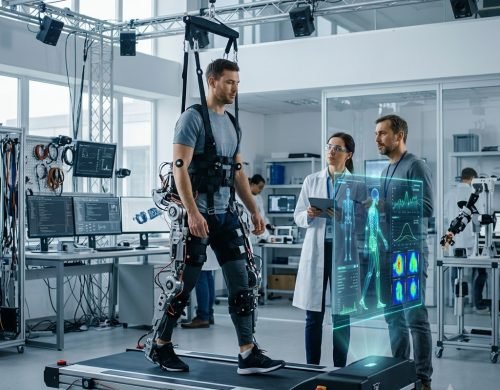
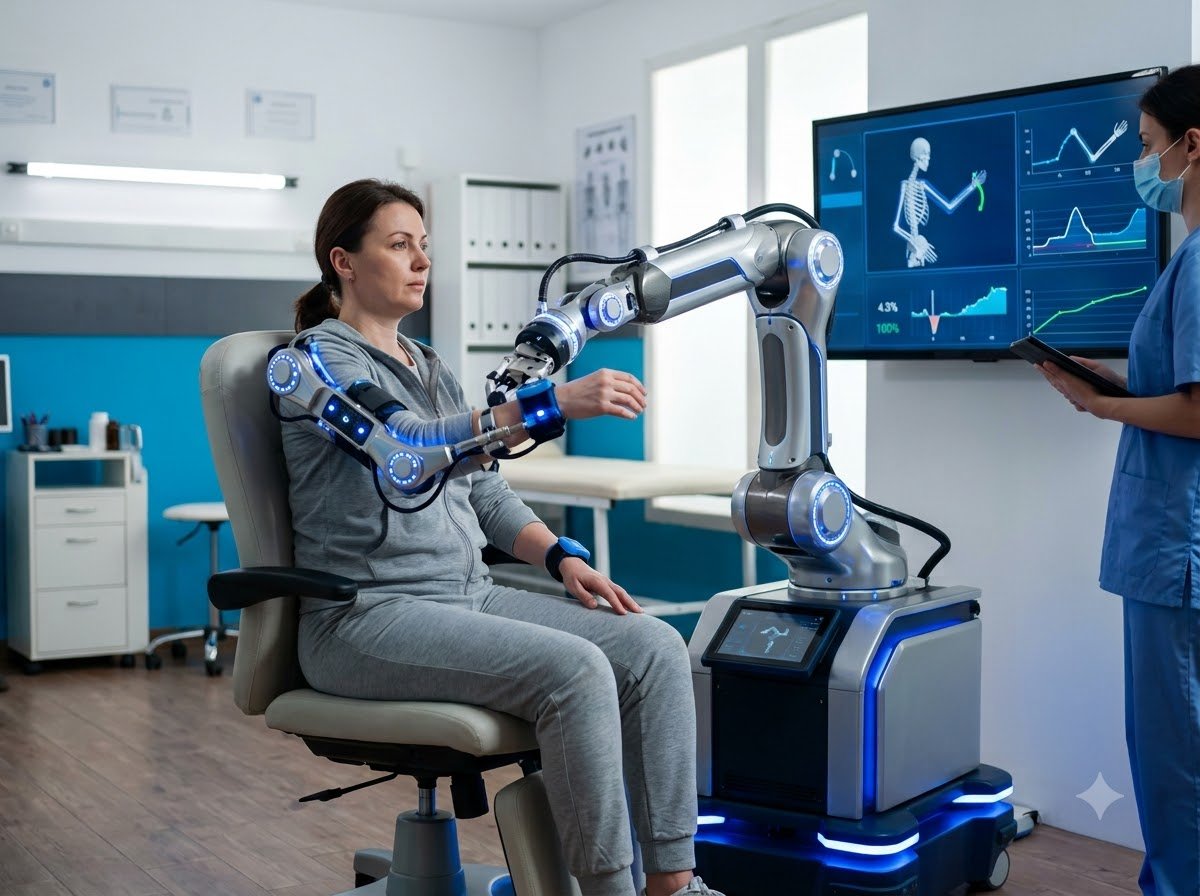
Designed a conceptual assistive robotics solution for stroke rehabilitation as part of a collaborative academic project, focusing on improving patient recovery through intelligent robotic assistance. The proposed system integrated a social assistive robot to provide rehabilitation guidance, medication reminders, and patient interaction, alongside an AI-assisted robotic arm concept to support upper-limb rehabilitation exercises.
Contributed to the design of the overall system architecture, technology selection, workflow development, and functional integration of robotics and artificial intelligence. The project also included evaluating the feasibility, potential clinical applications, and implementation challenges of deploying AI-enabled assistive robotics to enhance rehabilitation outcomes and patient independence.
Technical Specifications
- Designed the system architecture using ROS 2 concepts
- Proposed Pepper Robot with Choregraphe for social interaction and rehabilitation exercises
- Conceptualized EMG-based movement intention detection using NeuroKit2 and Scikit-learn
- Planned motion planning and collision avoidance using MoveIt 2
- Proposed Raspberry Pi as the central task management unit
- Designed voice interaction using Vosk and SpaCy
- Developed Behaviour Tree workflows for robotic task execution
- Evaluated system limitations, safety considerations, and future AI enhancements